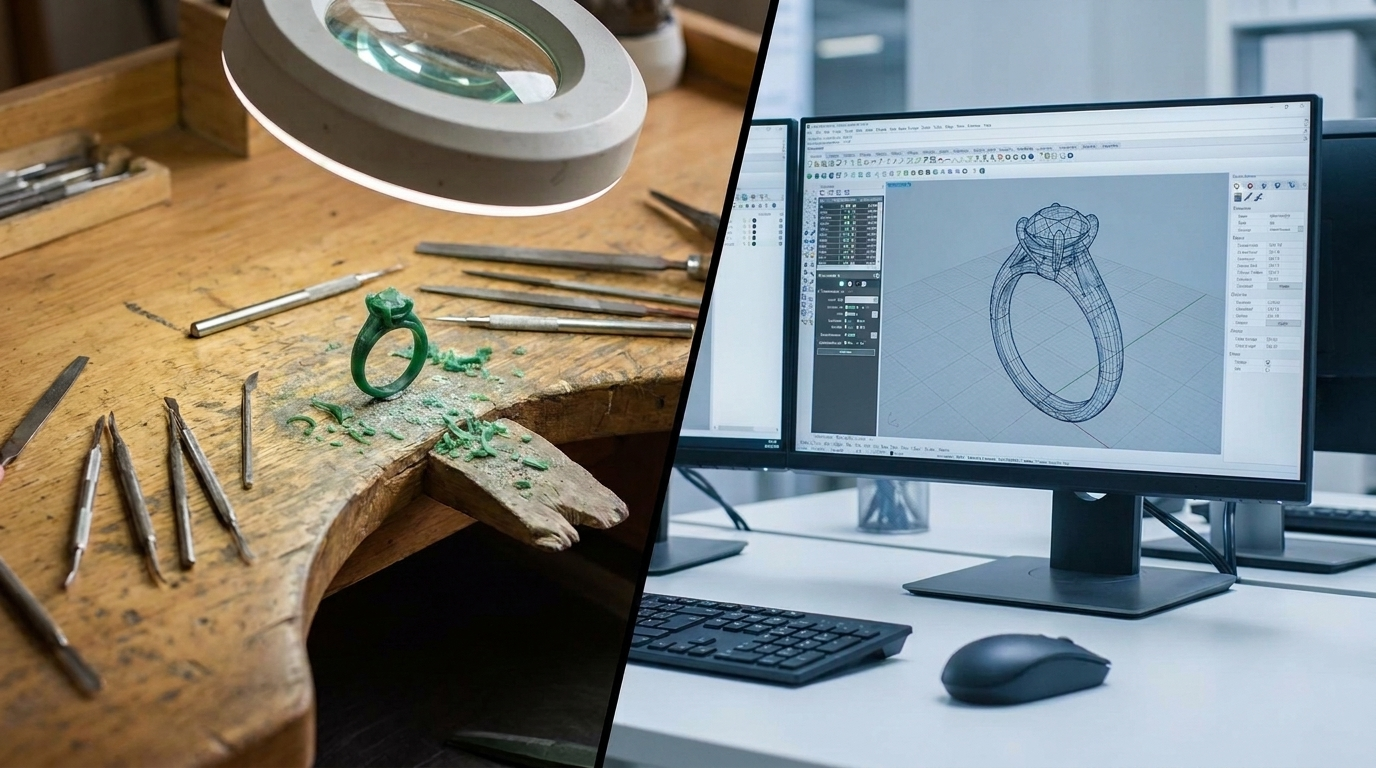
CAD vs hand-carved jewelry comes down to a trade-off between speed and revision flexibility versus traditional craftsmanship feel — CAD wins on speed, precision, and cost for most commercial production, while hand-carving still holds value for one-of-a-kind artisan pieces. Here’s how the two actually compare.
Speed of Production
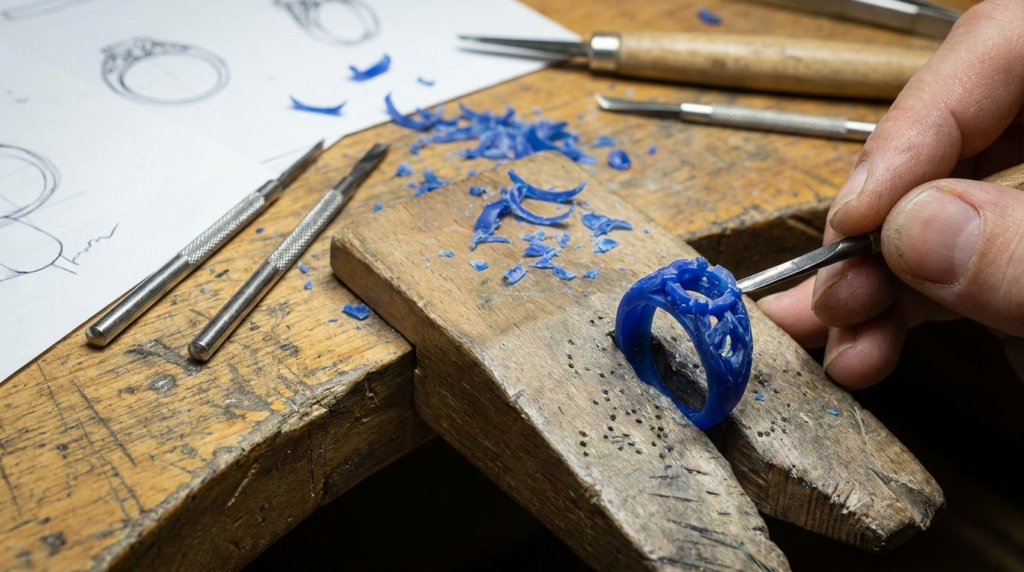
Hand-carving a wax model typically takes an experienced carver several days to a week per piece, and any client revision means re-carving significant portions. A 3D CAD model, by contrast, can be built and revised within 2-3 days, with changes applied digitally in minutes rather than hours.
Precision and Consistency
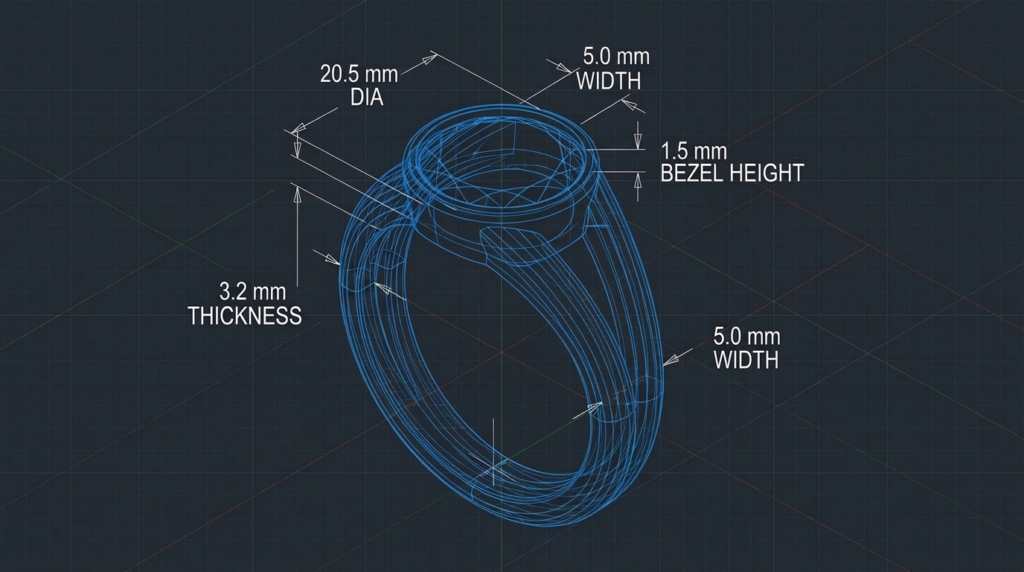
CAD modeling guarantees exact, repeatable measurements — critical when a brand needs to produce the same ring in 20 identical units, or when stone-setting tolerances need to be precise to the millimeter. Hand-carving, while skilled, introduces natural variation between pieces, which is a feature for artisan work but a liability for consistent commercial production.
What File Formats Come Out of 3D Jewelry Modeling?
- Typical turnaround: CAD Modeling — 2–3 days & Hand-Carving — 5–10 days
- Revision cost: CAD Modeling — Low (digital edit) & Hand-Carving — High (re-carve)
- Consistency across units: CAD Modeling — Exact & Hand-Carving — Variable
- Best for: CAD Modeling — Commercial collections, eCommerce & Hand-Carving — One-of-a-kind artisan pieces
Revision Flexibility
This is where CAD wins decisively for most business use cases. If a client wants a wider band or a different stone size after seeing the first version, a CAD file is adjusted digitally — no physical material is wasted. A hand-carved wax model often needs to be significantly reworked or restarted.
Which Should Your Brand Choose?
If you’re producing a repeatable commercial collection — especially one that needs eCommerce renders, manufacturing files, or multiple identical units — CAD modeling is the clear choice. If you’re creating a single heirloom or bespoke artisan piece where the hand-crafted process itself is part of the value story, hand-carving still has its place.
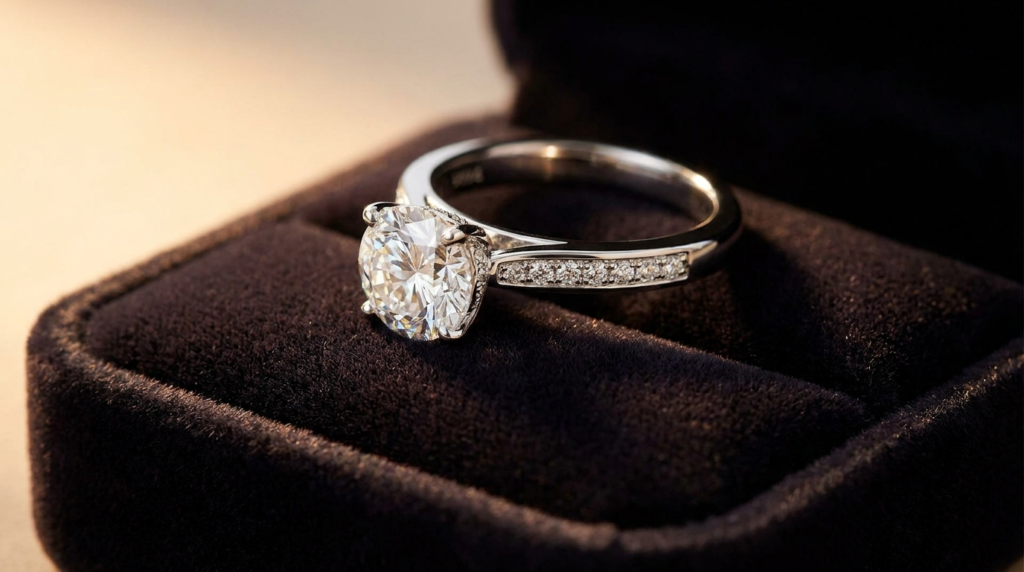
Many modern studios, including ours, use a hybrid approach: CAD for precision and speed, with the final physical execution handled by skilled casting and finishing craftsmen — combining the best of both.
Frequently Asked Questions
- Is CAD jewelry considered lower quality than hand-carved?
No — CAD determines precision and speed, not final quality. The physical piece is still cast and finished by skilled craftsmen either way.
- Can I combine CAD with hand-finishing?
Yes, this is the most common modern approach — CAD for the base model, hand-finishing for texture, engraving, or final polish.
- Which is better for a startup jewelry brand?
CAD is usually better for startups since it’s faster and cheaper to revise before committing to a full production run.