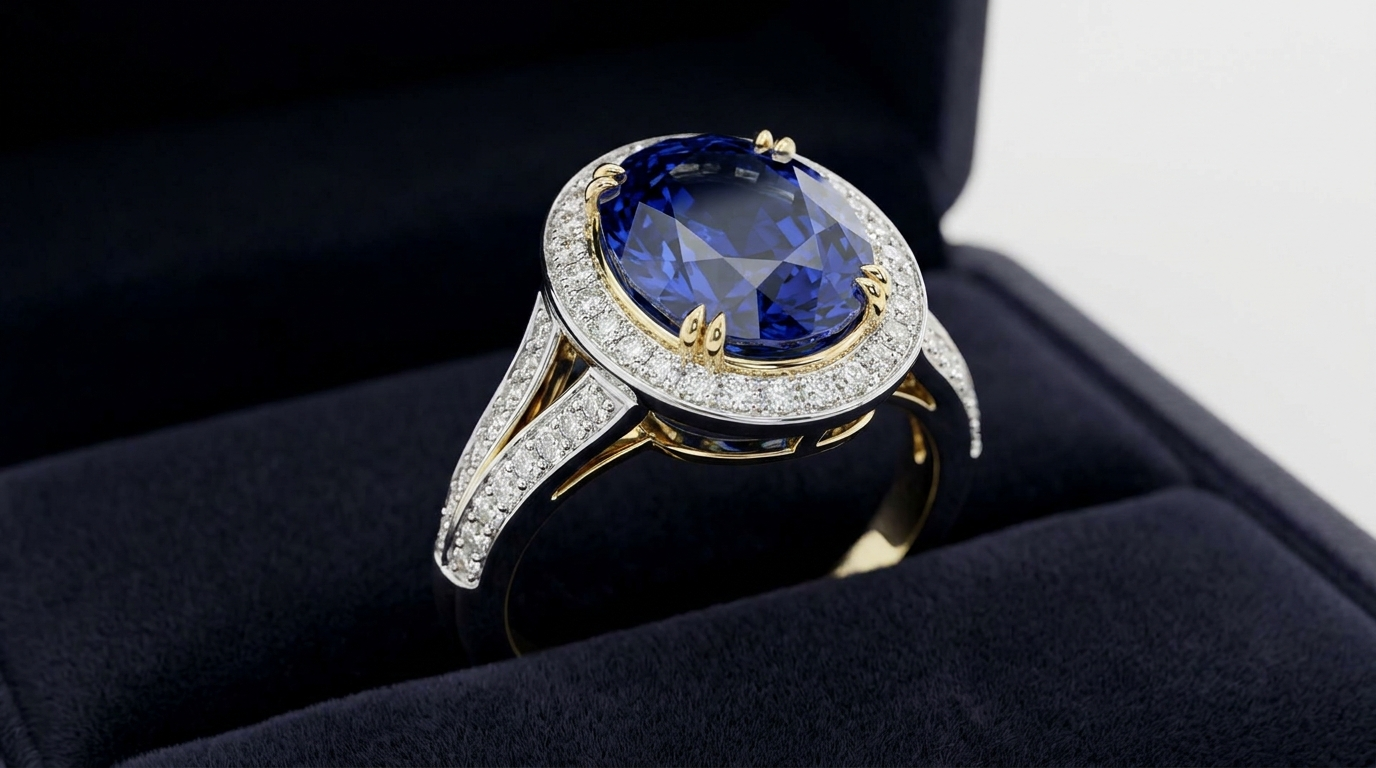
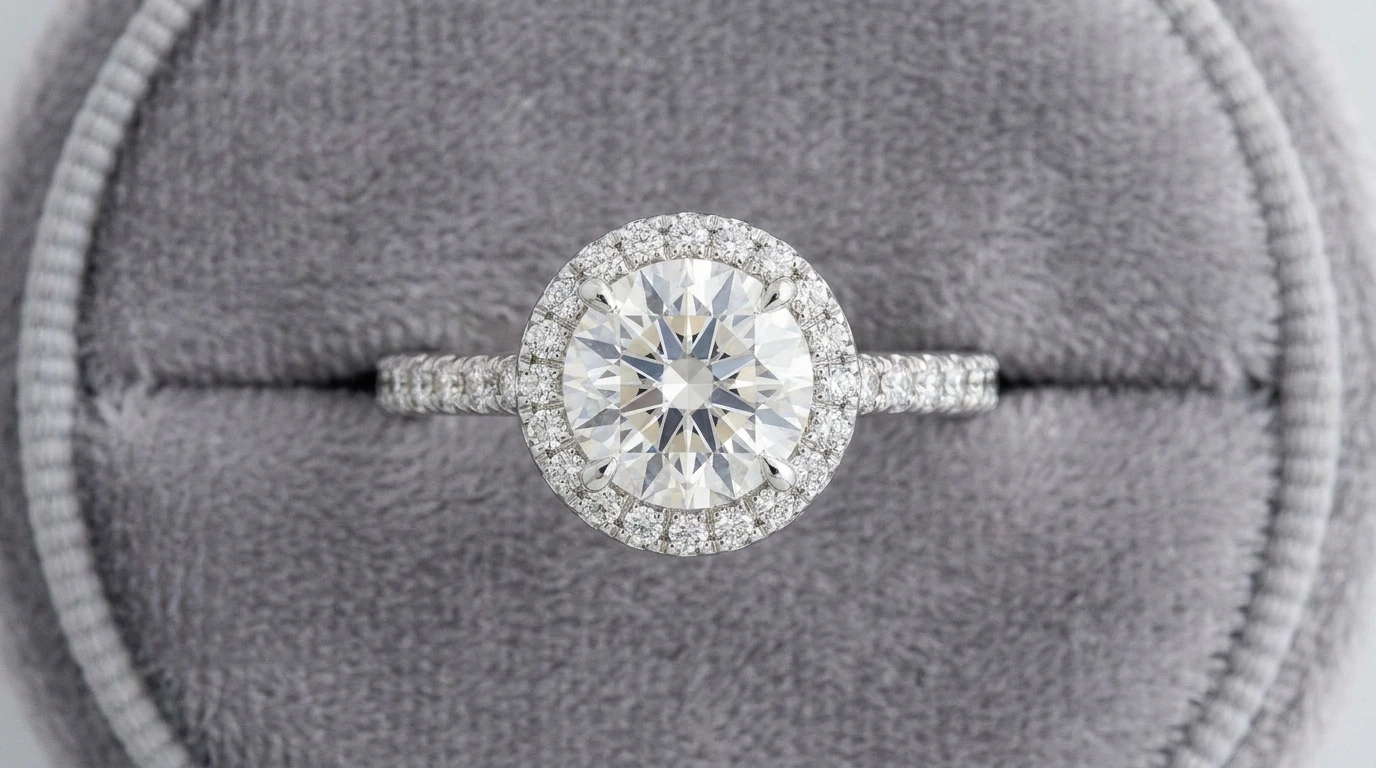
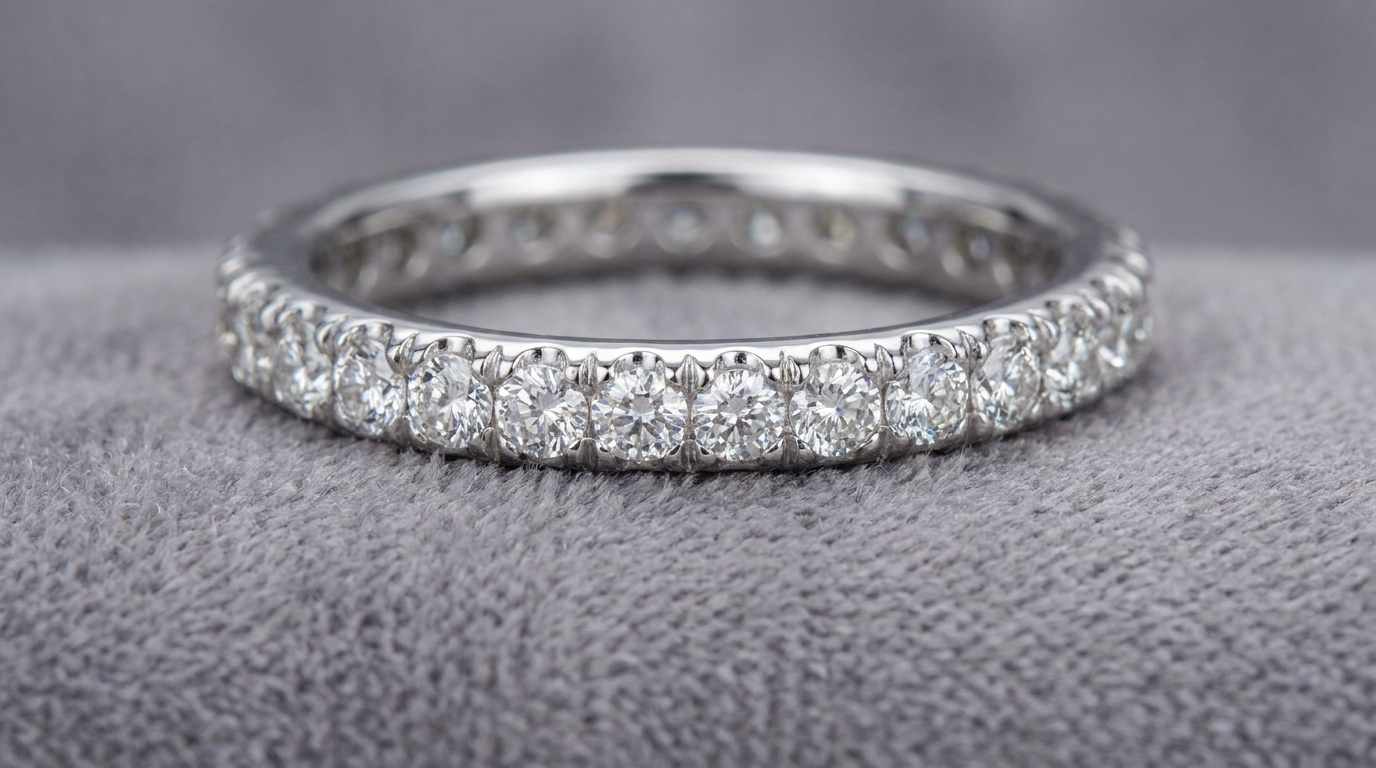
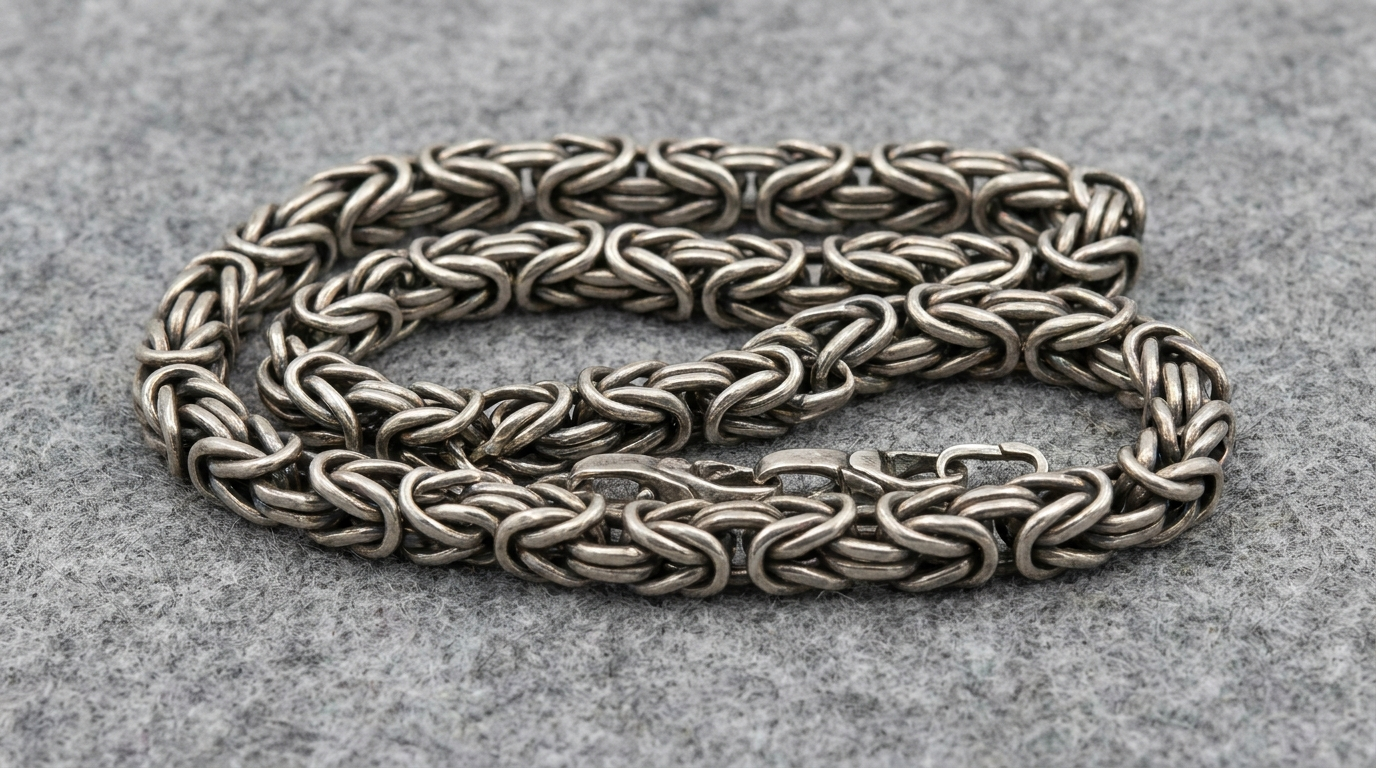
Photorealistic jewelry rendering is the process of generating lifelike images of a jewelry piece directly from its 3D CAD model — without needing a physical sample photographed. The result is an image virtually indistinguishable from a professional product photograph, used for marketing, eCommerce, and client approval before production.
How Photorealistic Rendering Works
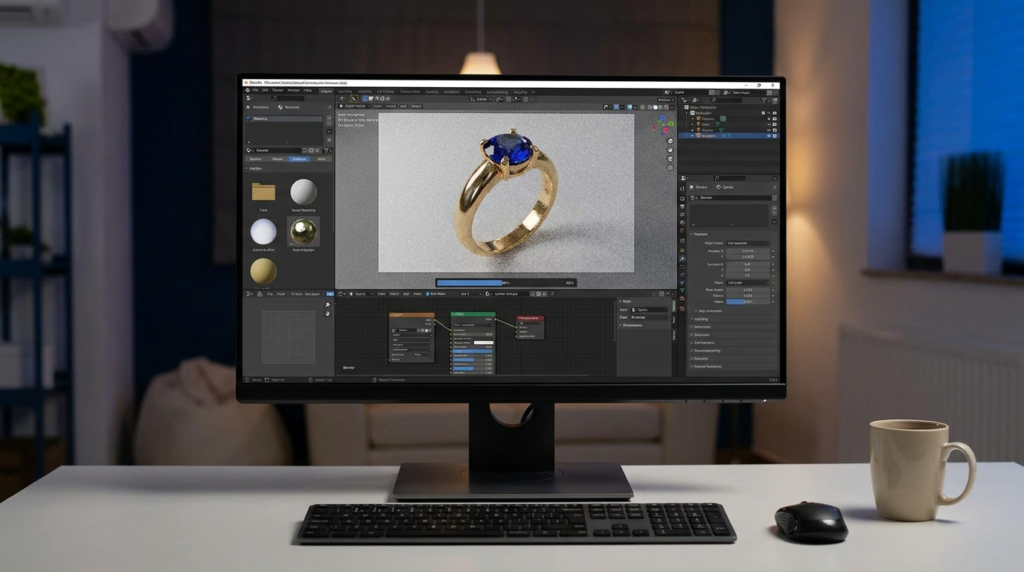
Once a 3D model is complete, rendering software (such as KeyShot) applies realistic materials — accurate metal reflectivity, gemstone refraction and sparkle, and studio-quality lighting — to produce an image. Key technical elements include:
- Material mapping — assigning accurate properties to gold, platinum, and gemstones so they reflect and refract light correctly
- Lighting setup — simulating studio lighting conditions (softboxes, reflectors) digitally
- Camera angle and composition — framing the piece exactly as a product photographer would
Why Brands Use Rendering Instead of Photography
No physical sample required — renders can be produced before a single physical unit exists, letting brands market a collection before committing to inventory.
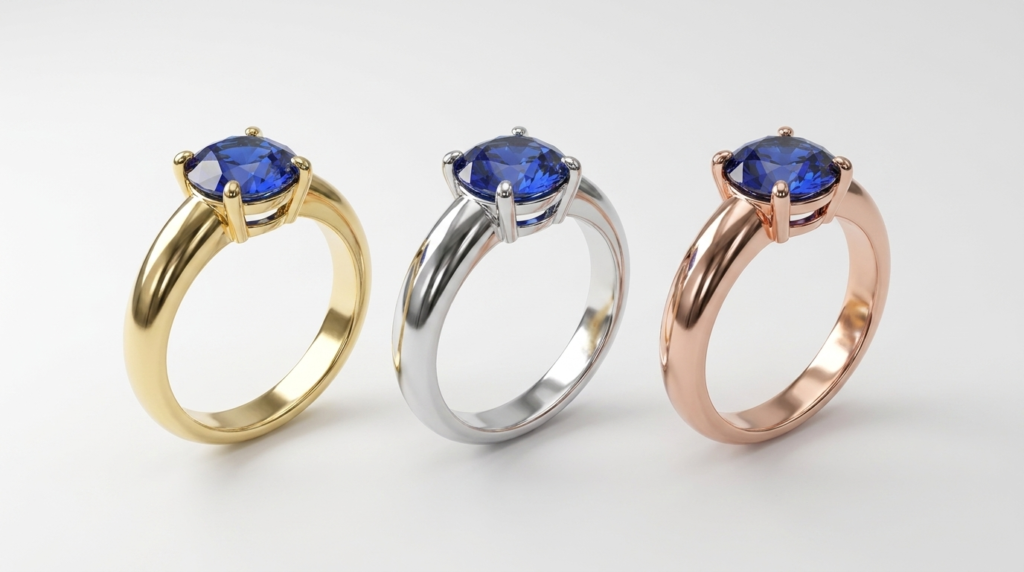
Unlimited angles and variations — the same model can be rendered in multiple metal colors or stone options without re-shooting.
Cost efficiency at scale — for a large catalog, rendering avoids the cost of a professional photo shoot for every SKU and variation.
What Makes a Render "Photorealistic"
The difference between an amateur 3D render and a truly photorealistic one comes down to material accuracy (does the metal actually look like metal, does the diamond actually sparkle correctly) and lighting quality. This is a specialized skill separate from CAD modeling itself.
Frequently Asked Questions
How long does a photorealistic render take?
Typically 1-2 additional days on top of the base CAD model, depending on the number of angles and variations requested.
Can renders show the piece being worn?
Yes, some studios offer “lifestyle” renders placing the jewelry on a hand or model, though this requires additional setup.
Do renders work for social media and ads?
Yes — renders are commonly used for Instagram, Facebook ads, and eCommerce listings since they can be produced in multiple formats and crops.