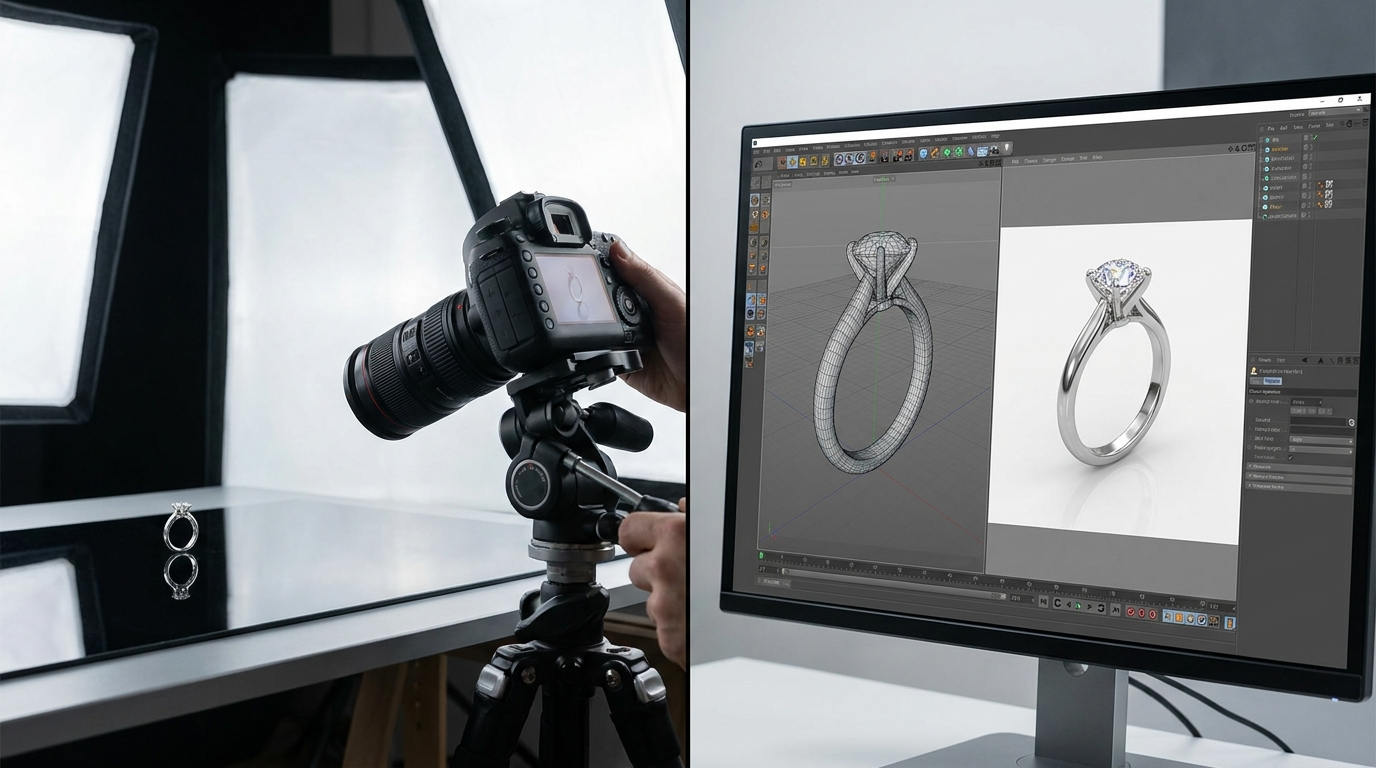
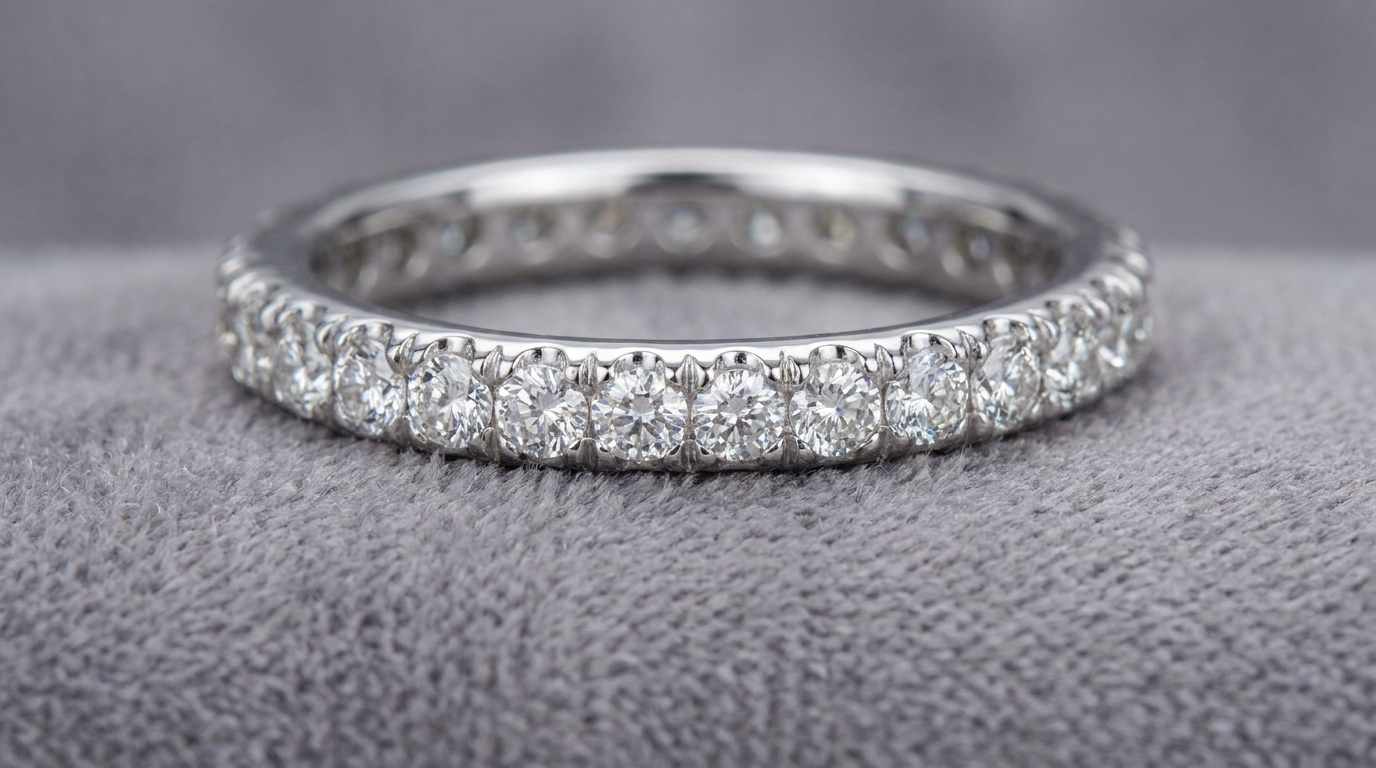
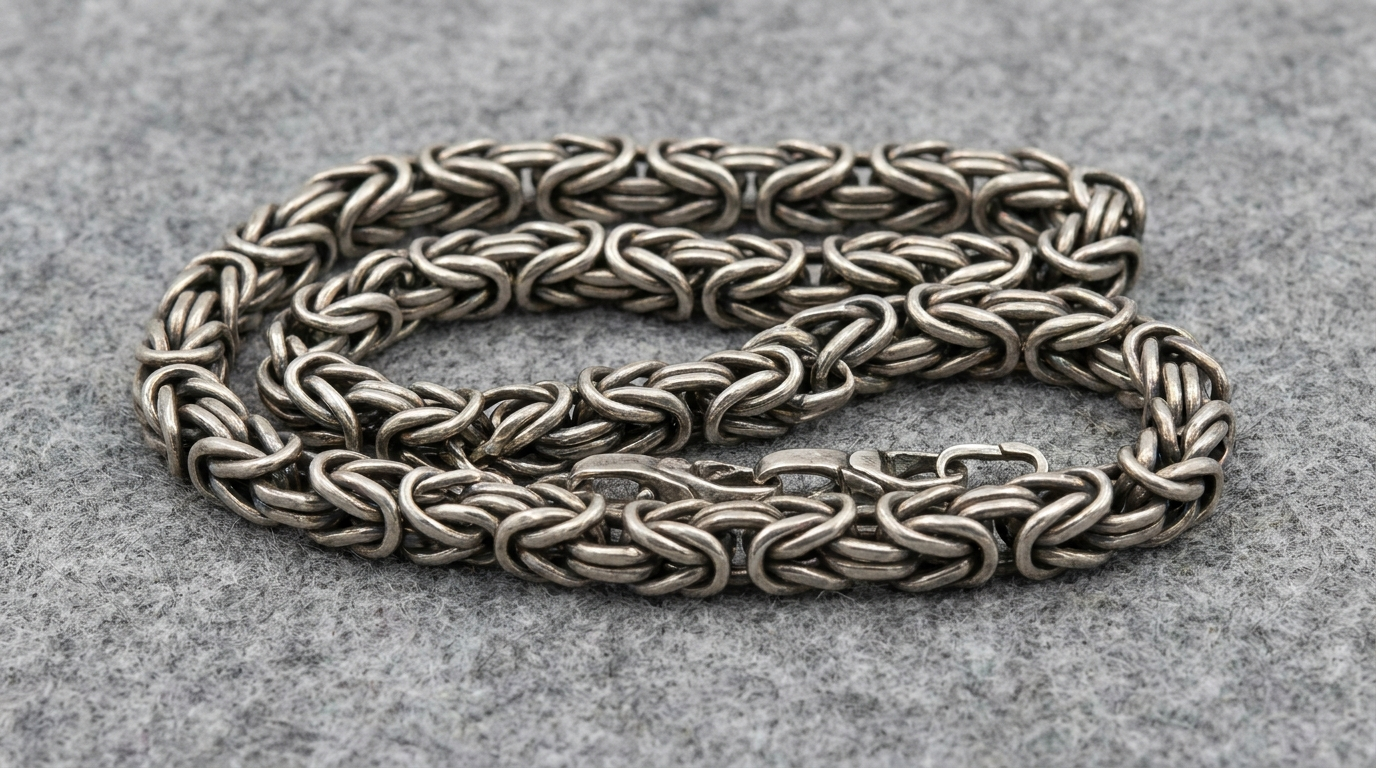
Jewelry rendering vs photography isn’t an either/or choice for most brands — rendering wins on speed, cost-per-variation, and pre-production marketing, while photography still holds an edge for authentic lifestyle and hero imagery. Here’s how to decide which to use, and when.
Cost Comparison
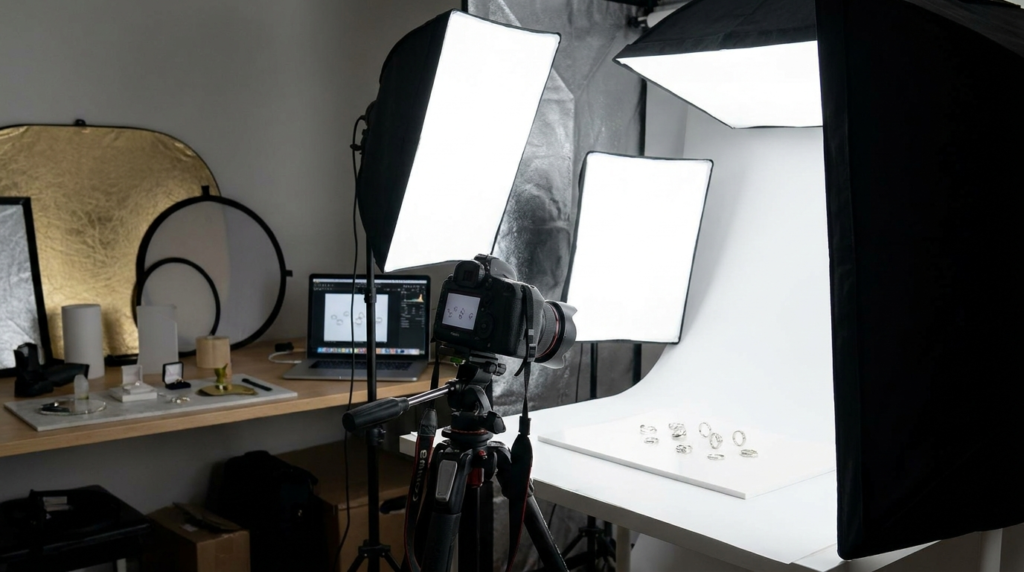
A professional jewelry photography shoot involves studio time, equipment, and often a stylist — costs that scale with every additional piece or variation photographed. A 3D render, once the base model exists, can generate multiple variations and angles at a fraction of the incremental cost.
Speed to Market
Photography requires a physical sample to exist first — meaning brands wait for manufacturing before they can market a piece. Rendering can produce marketing-ready images before physical production begins, letting brands test designs or pre-sell before committing to inventory.
Realism and Authenticity
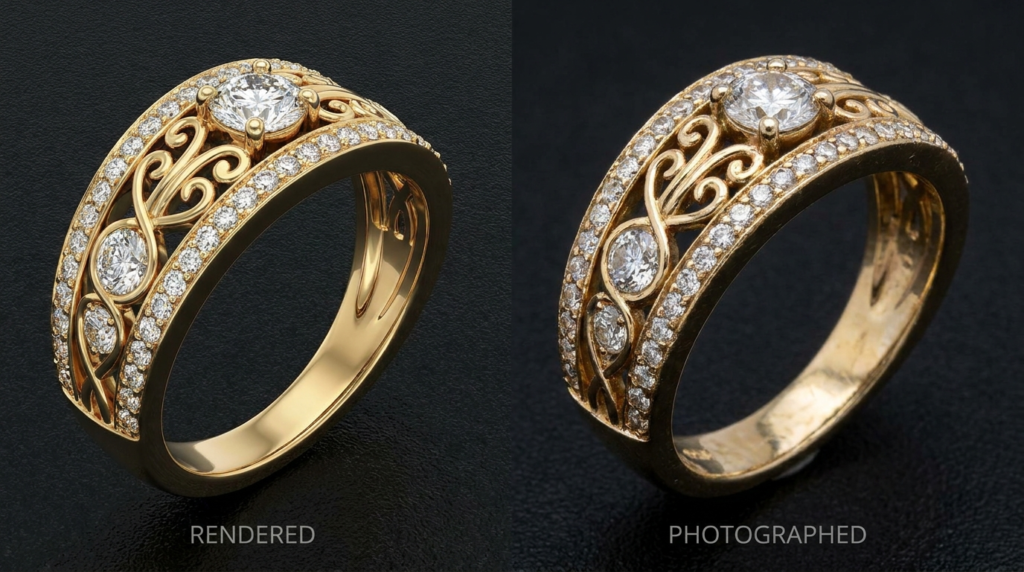
Photography still has an edge in authentic texture and “hand-of-god” lifestyle context — a hand-modeled shot with natural lighting can feel more human than a render. However, for pure product-detail shots (which is most of what jewelry buyers actually look at), high-quality renders are now virtually indistinguishable from photos.
When to Use Each
- New collection pre-launch marketing: Rendering
- Full catalog with many variations: Rendering
- Hero/lifestyle brand imagery: Photography
- Product detail zoom shots: Either (rendering often cheaper)
- Limited one-off custom pieces already in hand: Photography
Frequently Asked Questions
- Can rendering and photography be combined in one catalog?
Yes — most brands use both, choosing whichever fits each specific image’s purpose.
- Is rendering suitable for luxury/high-end jewelry marketing?
Yes, high-end brands increasingly use rendering for its precision and flexibility, provided the render quality is genuinely photorealistic.
- Does Google penalize rendered product images versus real photos?
No — search engines don’t distinguish between the two as long as the image accurately represents the product.