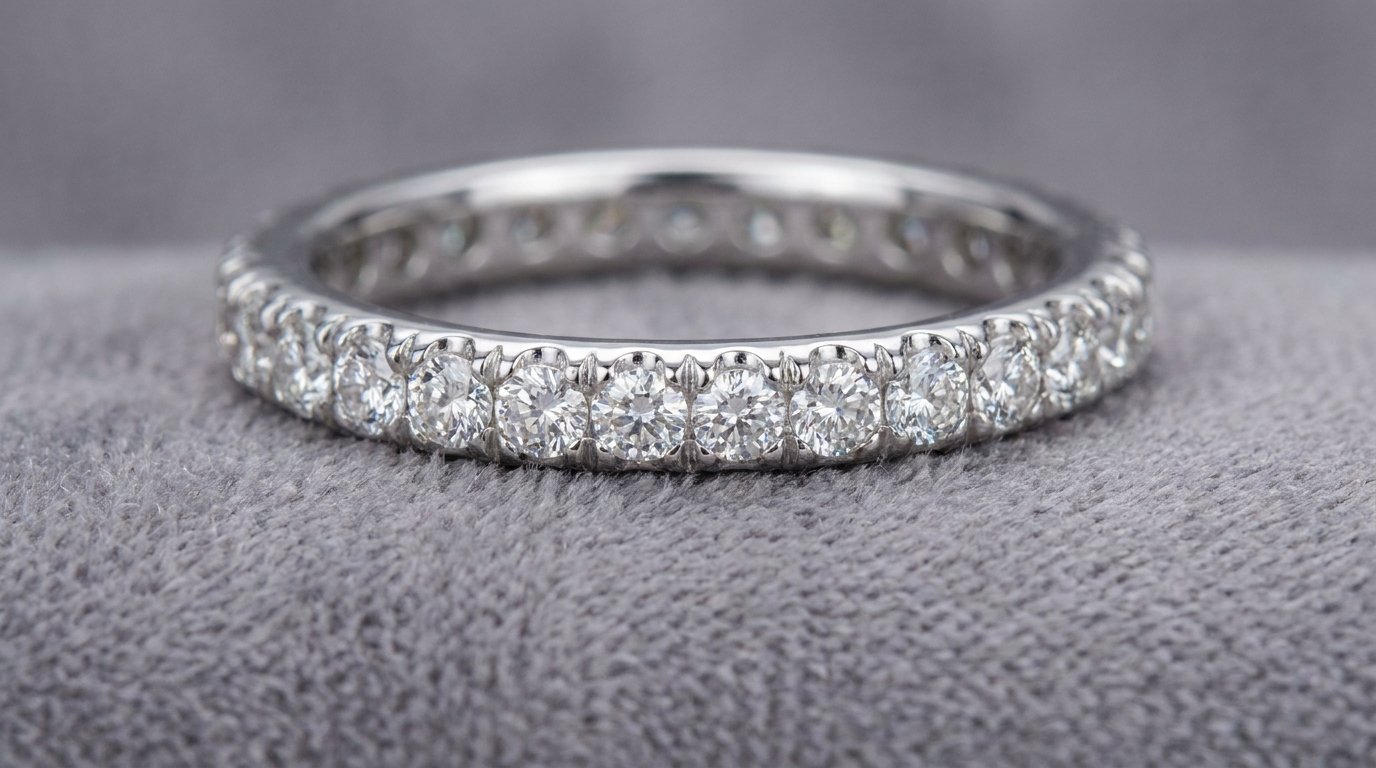
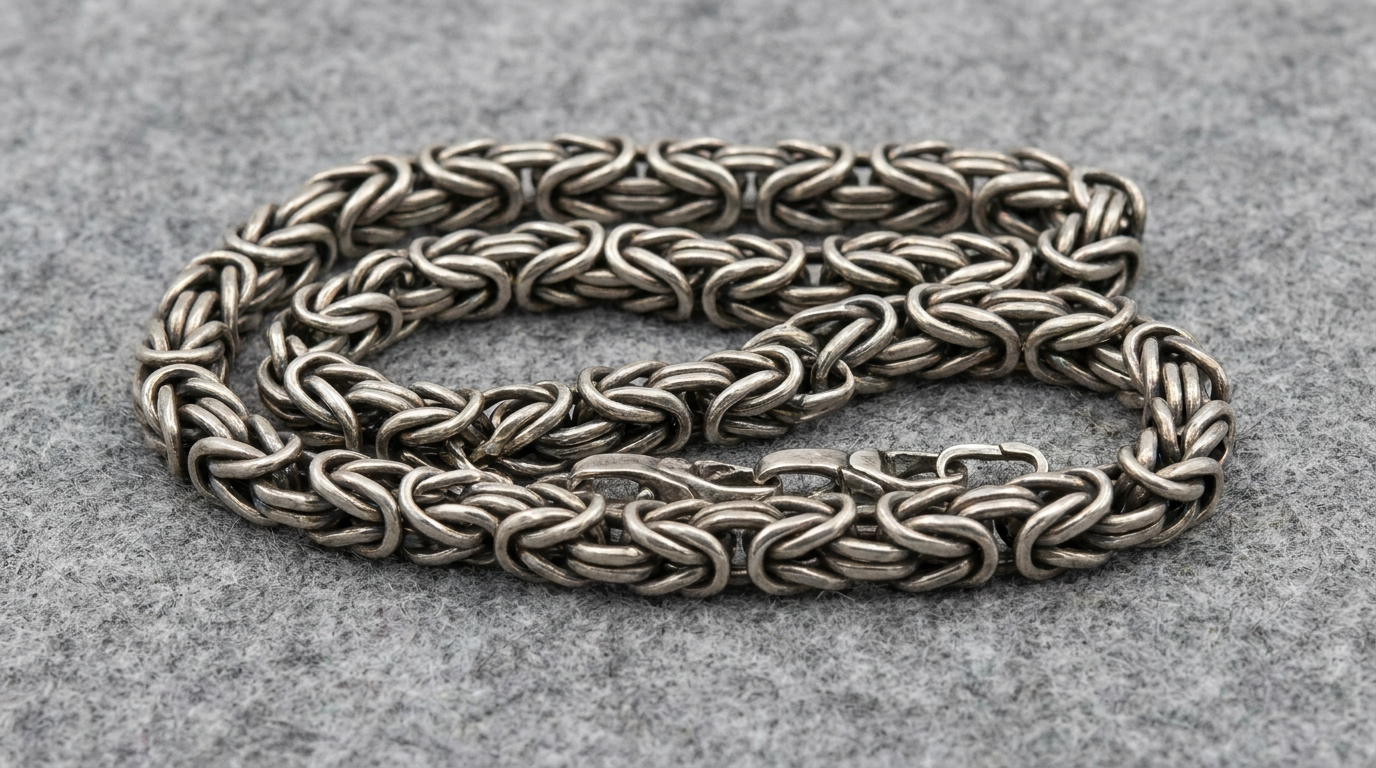
Bracelet design CAD work depends on three things: accurate wrist measurements, a clasp that suits the style, and enough flexibility in the links or structure so the piece moves naturally.
Wrist Measurement and Fit
Specify the exact inner circumference and how snug or loose the bracelet should sit. A bangle has no clasp, so its inner opening must clear the widest part of the hand.
Chain-Style vs Rigid Designs
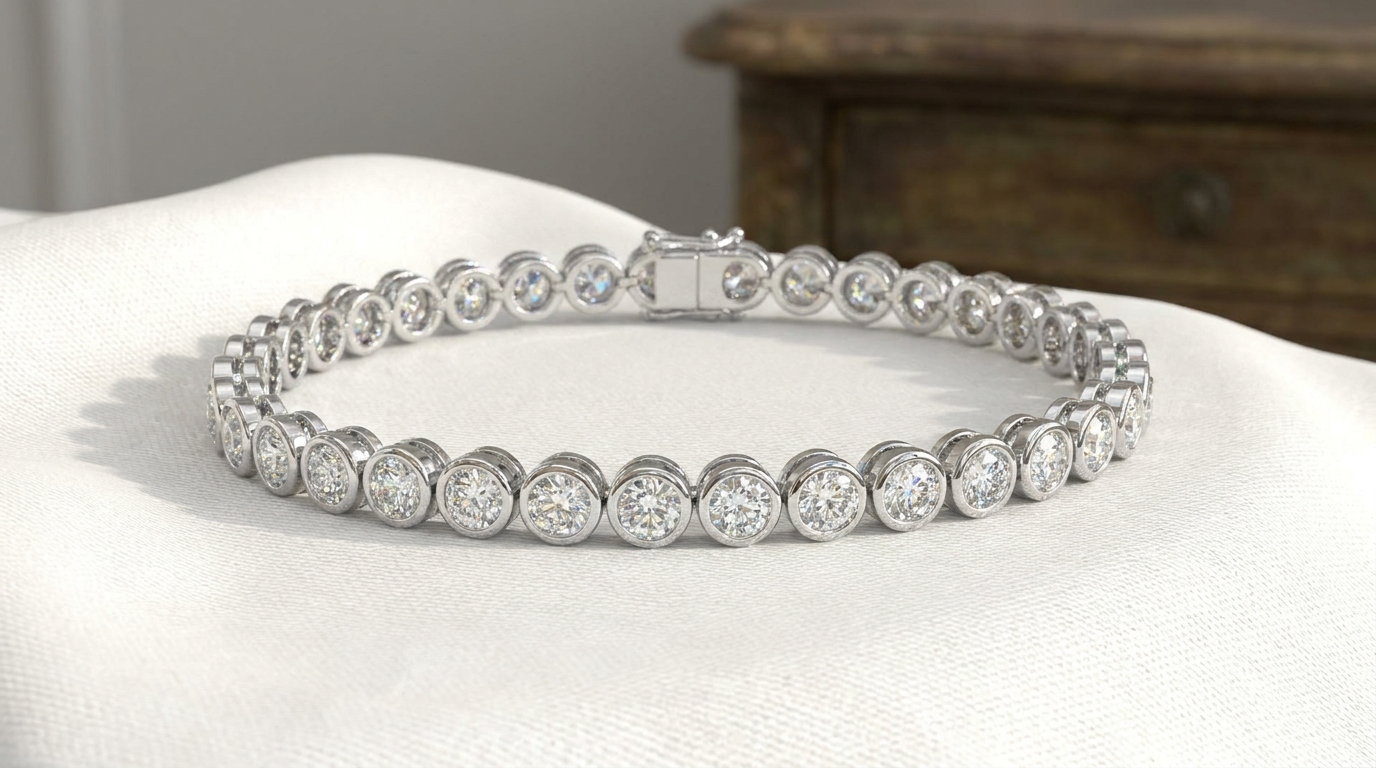
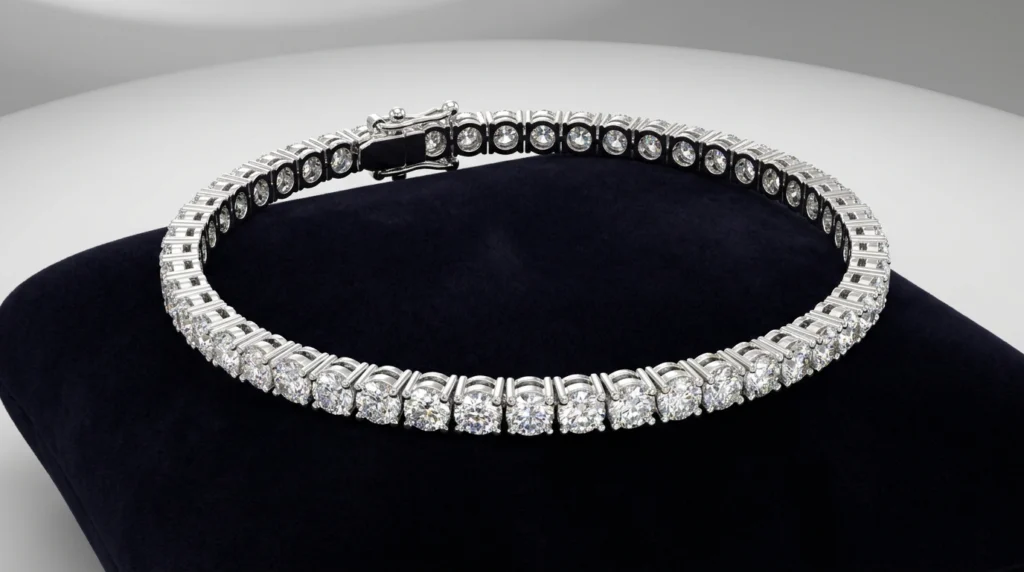
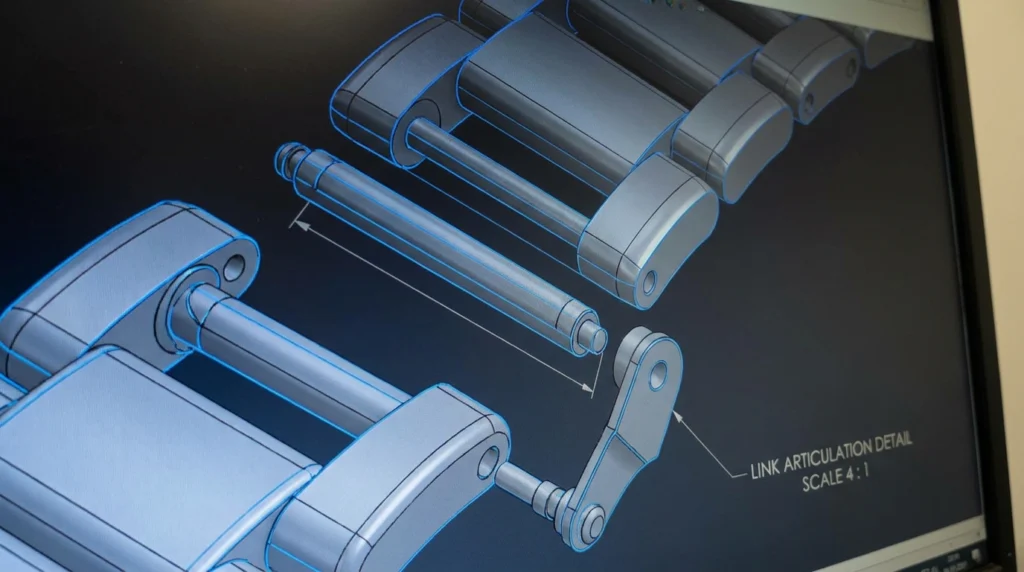
Link-based bracelets (tennis bracelets, chains) need articulated joints modeled so they flex without gaps or stress points. Rigid bangles need different structural thinking, including an oval profile for comfortable wear.
Clasp Choice
Box clasps, lobster clasps, and hidden clasps each change both the look and the security of the piece. Heavier bracelets benefit from a secondary safety latch.
Weight Distribution
Long bracelets with many stones add up in weight. Plan metal thickness so the piece stays comfortable without sacrificing durability.
Frequently Asked Questions
- Can a bangle be made adjustable?
Yes, with a hinge or open-back design, which should be specified early.
- How long does a tennis bracelet take to model?
Repetitive link structures are efficient to build, though stone setting precision still takes care.
- Do bracelets need a safety clasp?
For higher-value or heavier pieces, a secondary safety latch is strongly recommended.