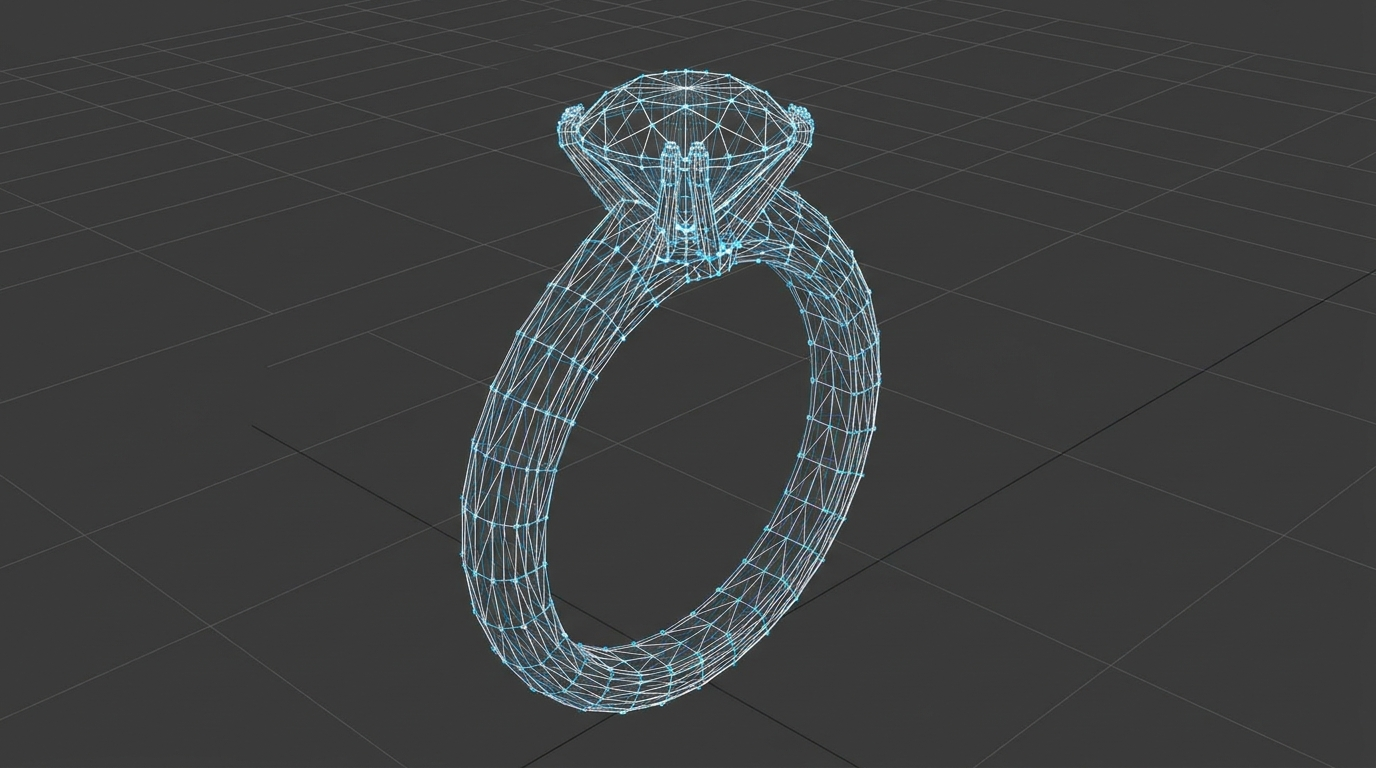
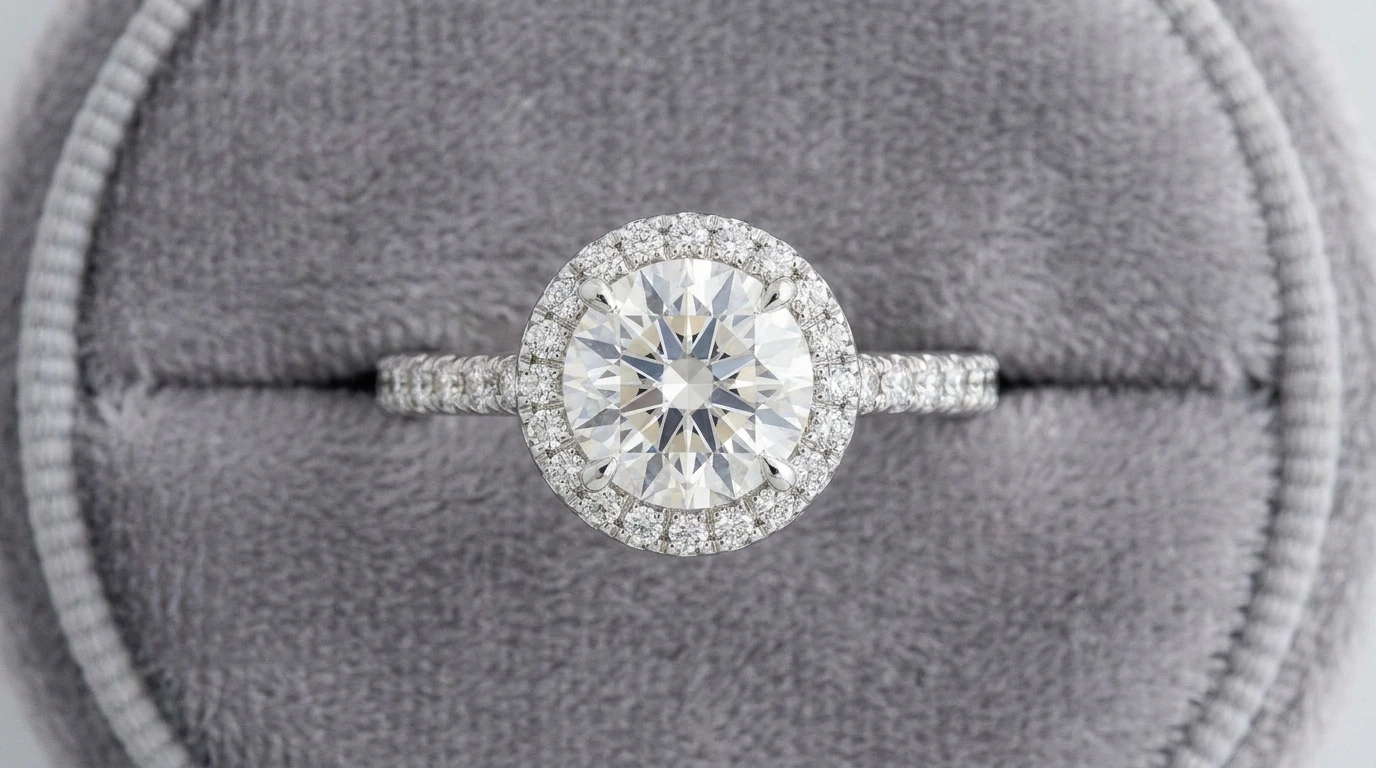
STL files for jewelry manufacturing must meet specific technical requirements — correct wall thickness, watertight geometry, and appropriate resolution — to be usable for casting or 3D printing. Getting these wrong is one of the most common reasons manufacturing files get rejected or produce flawed physical pieces.
What Makes an STL File Manufacturing-Ready
Watertight geometry — The 3D mesh must have no gaps or holes; any opening in the surface will cause casting or printing failures.
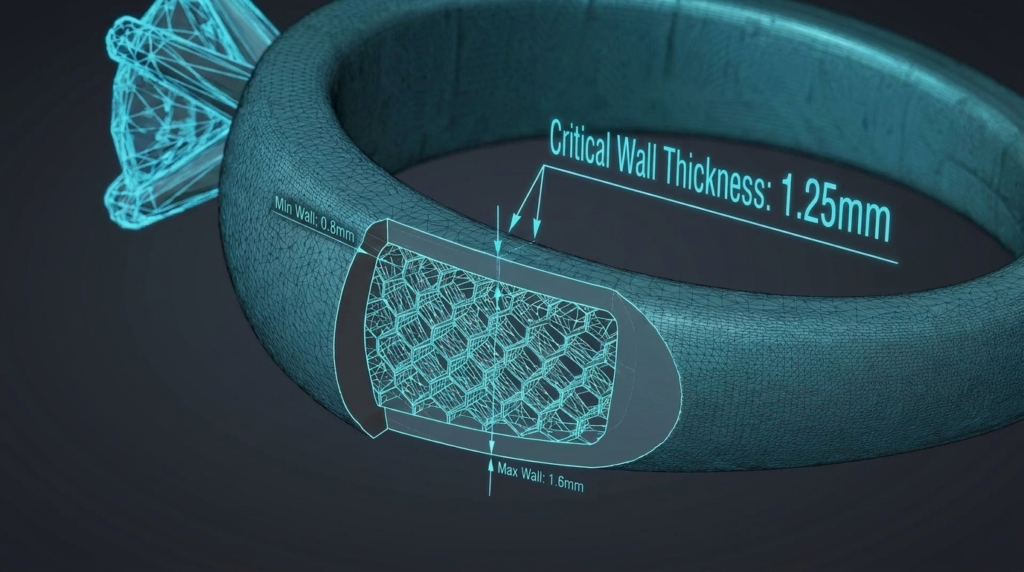
Minimum wall thickness — Most casting processes require a minimum wall thickness of 0.3-0.5mm depending on the metal and piece size. Thinner walls risk breaking during casting or wear.
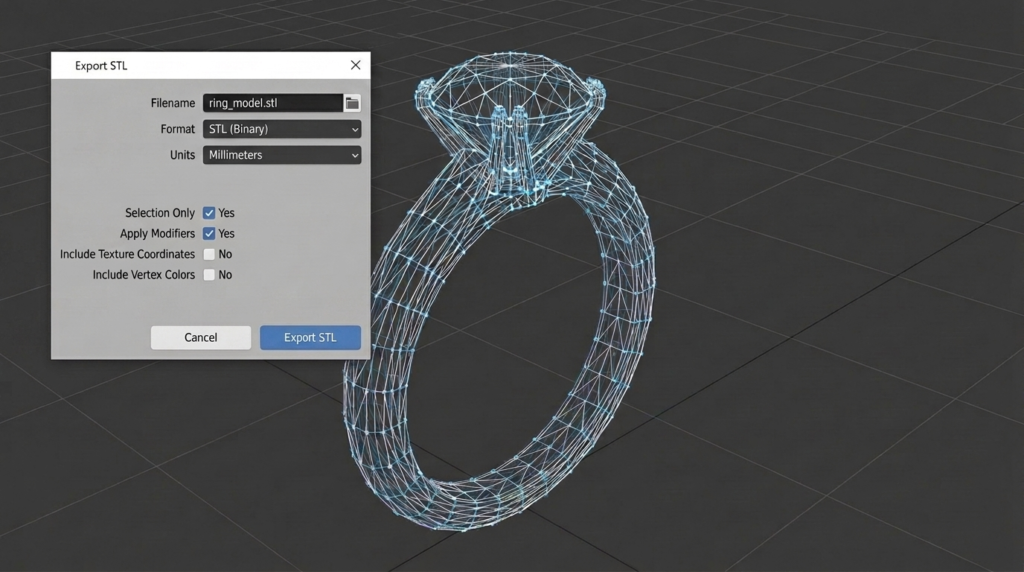
Correct scale and units — Files must be exported in the correct unit (typically millimeters) and at 1:1 scale — a common and costly error is exporting at the wrong scale.
Appropriate mesh resolution — Too low a resolution creates visible faceting on curved surfaces; too high creates unnecessarily large file sizes without added benefit.
Common STL Errors That Cause Manufacturing Problems
- Non-manifold edges (geometry that isn’t properly closed)
- Overlapping or duplicate surfaces
- Wall thickness inconsistent across the piece
- Missing support structures for complex overhangs (relevant for 3D printing workflows specifically)
STL vs Other Formats
While STL is the industry standard for manufacturing, some workflows also use 3DM (native CAD format, editable) or OBJ (for rendering). A manufacturing-ready deliverable typically includes the STL as the final production file, with the 3DM retained for any future edits.
What to Ask Your 3D Design Provider
Before starting a project intended for manufacturing, confirm: minimum wall thickness requirements for your chosen casting process, whether the file will be checked for watertight geometry before delivery, and whether the provider tests files against your specific manufacturer’s requirements.
Frequently Asked Questions
- Can any 3D jewelry file be converted to STL?
Most CAD formats can export to STL, but the resulting file quality depends on how the original model was built — models designed with manufacturing in mind convert far more reliably.
- Do STL files work for both casting and 3D printing?
Yes, STL is compatible with both, though wall thickness and support requirements differ between the two processes.
- How do I know if my STL file is manufacturing-ready?
A good design studio will run a mesh-check for watertight geometry and correct wall thickness before delivering the final file.