The wedding band design process should start with how the band will pair with an existing engagement ring — profile matching, metal consistency, and comfort fit are the key specifications to nail down before modeling begins.
Matching an Existing Engagement Ring
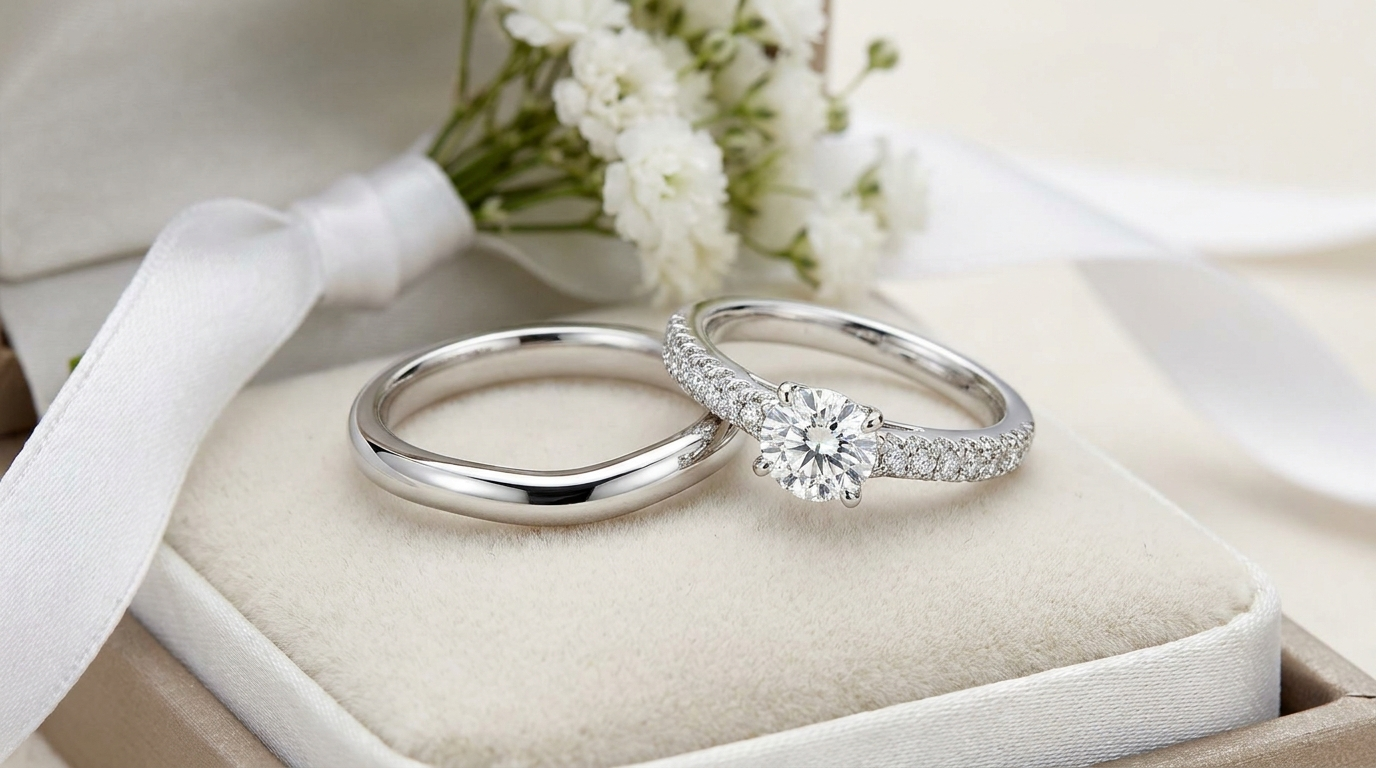
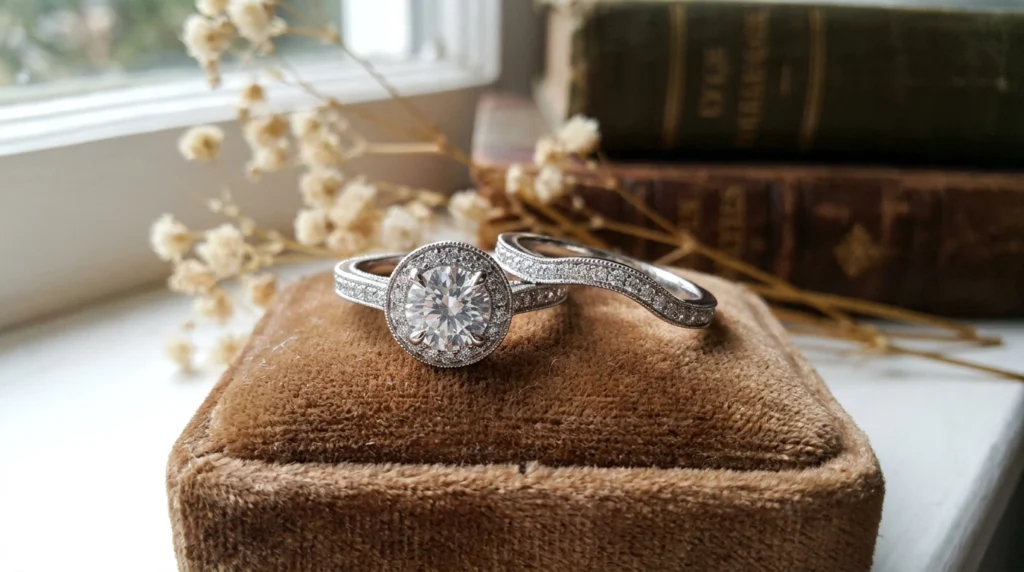
If the band needs to sit flush against an engagement ring, its profile (curved or straight) needs to complement the ring’s silhouette — this is one of the most common specification points that requires clear reference photos or exact measurements of the existing ring.
Comfort Fit vs. Standard Fit
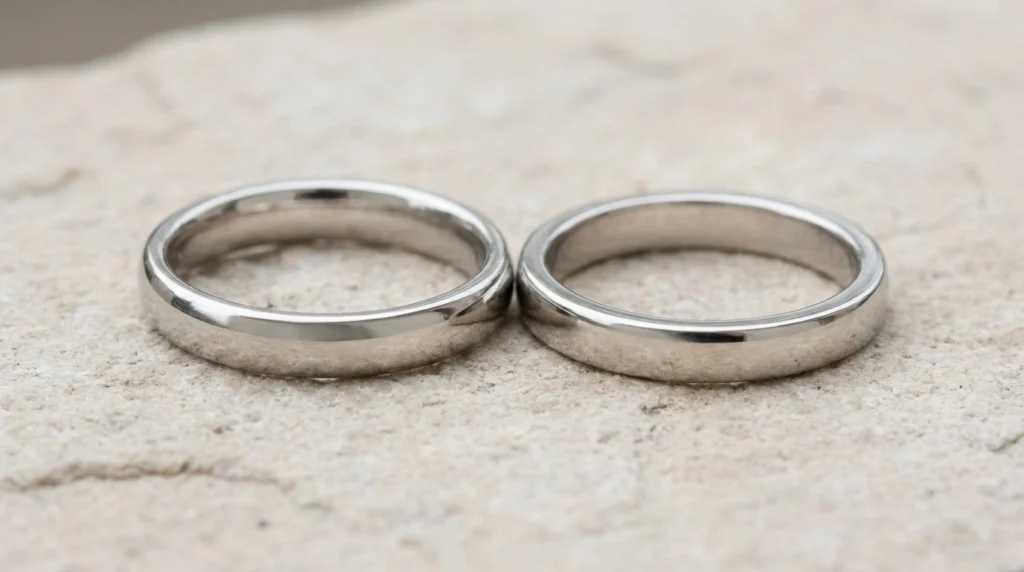
Comfort-fit bands have a rounded interior that reduces friction against the finger, generally preferred for daily wear, while standard-fit bands have a flat interior. This choice affects the internal geometry of the 3D model and should be specified upfront.
Metal Consistency and Matching
For paired sets, matching metal type and color between the engagement ring and band is typically expected — though intentional mixed-metal pairings are also a growing design choice worth specifying explicitly if desired.
Simple Bands vs. Detailed Bands
A plain band is one of the fastest and simplest 3D modeling projects, while eternity bands (fully stone-set) or textured/engraved bands require more detailed modeling similar to more complex ring designs.
Frequently Asked Questions
- Do I need to send my engagement ring’s exact measurements for a matching band?
Yes, ideally — providing the ring’s profile shape and dimensions ensures the band pairs correctly rather than guessing at fit.
- Is comfort-fit more expensive to design or manufacture?
Not significantly — it’s primarily a design specification rather than a cost driver.
- Can a wedding band be designed before the engagement ring is finalized?
It’s possible, but designing them together (or with the engagement ring finalized first) generally produces a better-matched pair.