Successful remote collaboration with a jewelry designer depends on clear written briefs, organized (not scattered) feedback, and a shared understanding of file formats and timelines — since there’s no in-person opportunity to point at a physical sample and clarify in real time.
Communicate in Writing, Not Just Verbally
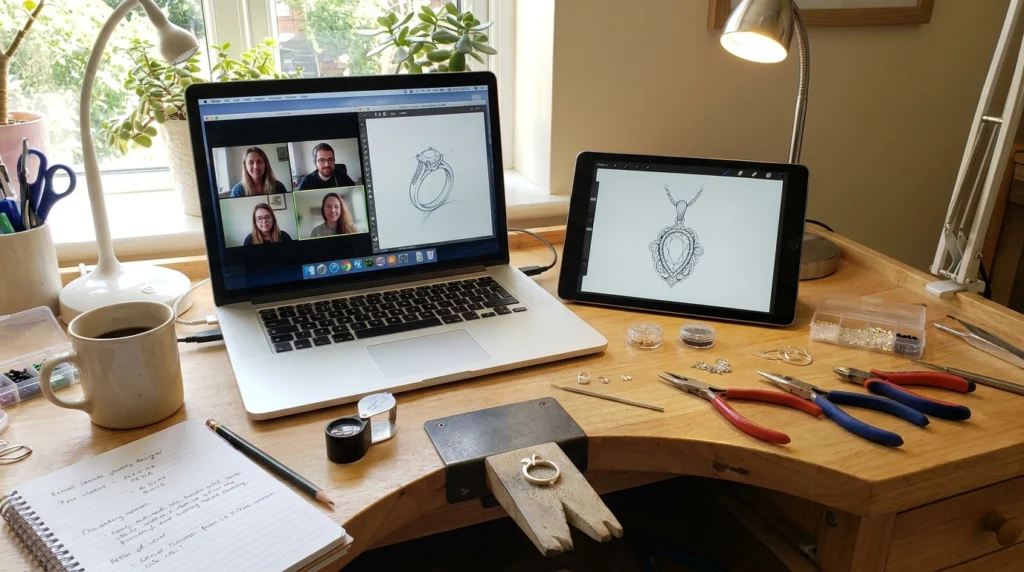
Even after a call, follow up with a written summary of what was discussed and agreed — this creates a clear reference point for both sides and avoids miscommunication that can occur when details are only discussed verbally.
Consolidate Feedback Into Single, Complete Messages
Sending feedback piecemeal (one small note, then another an hour later) slows the revision process. Reviewing a full render and compiling all requested changes into one organized message is far more efficient for both parties.
Establish a Shared File-Sharing System Early
Agree on where files will be shared (email, cloud drive, project management tool) at the start of the project rather than mid-project, avoiding confusion about which version is the most current.
Set Clear Expectations on Response Times
Since remote collaboration often spans different time zones, agreeing on expected response windows for feedback and questions upfront prevents unnecessary delays or frustration on either side.
Use Visual References Liberally
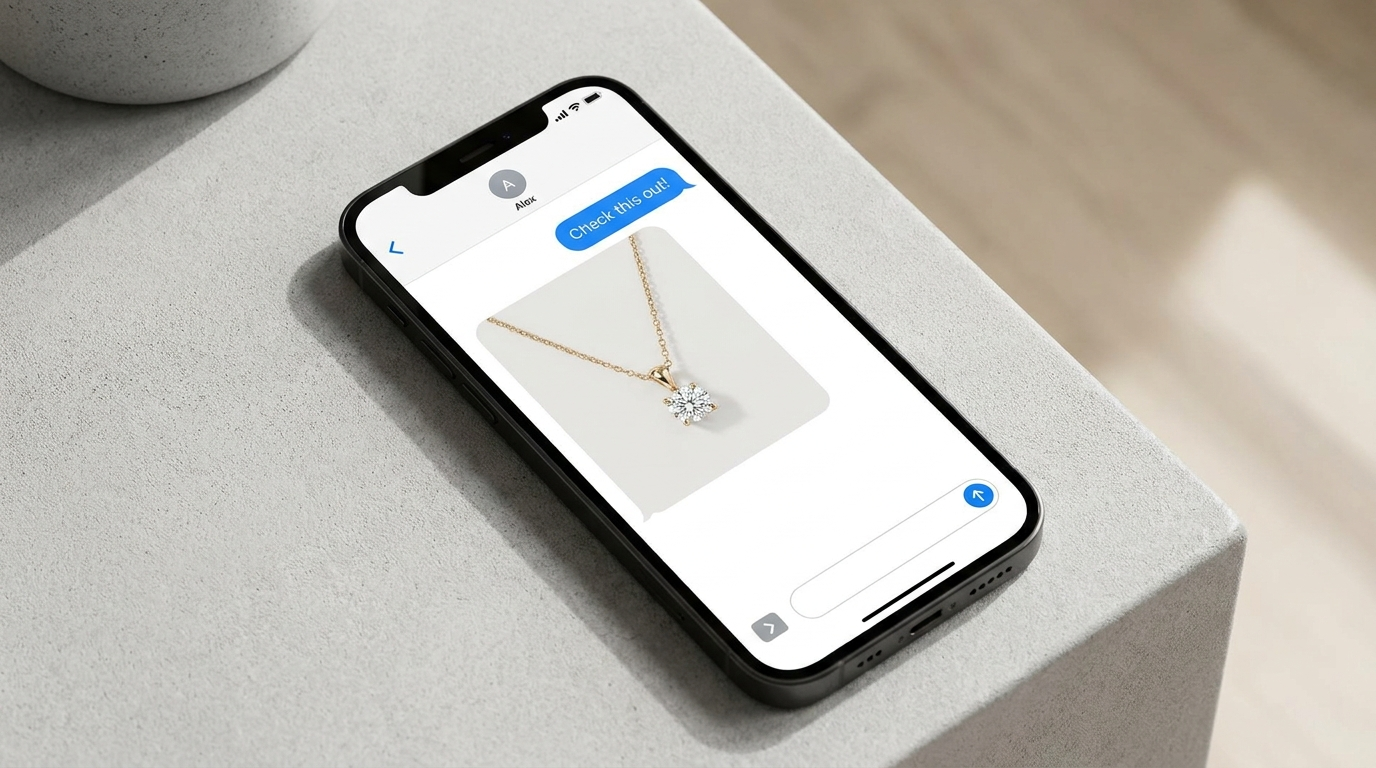
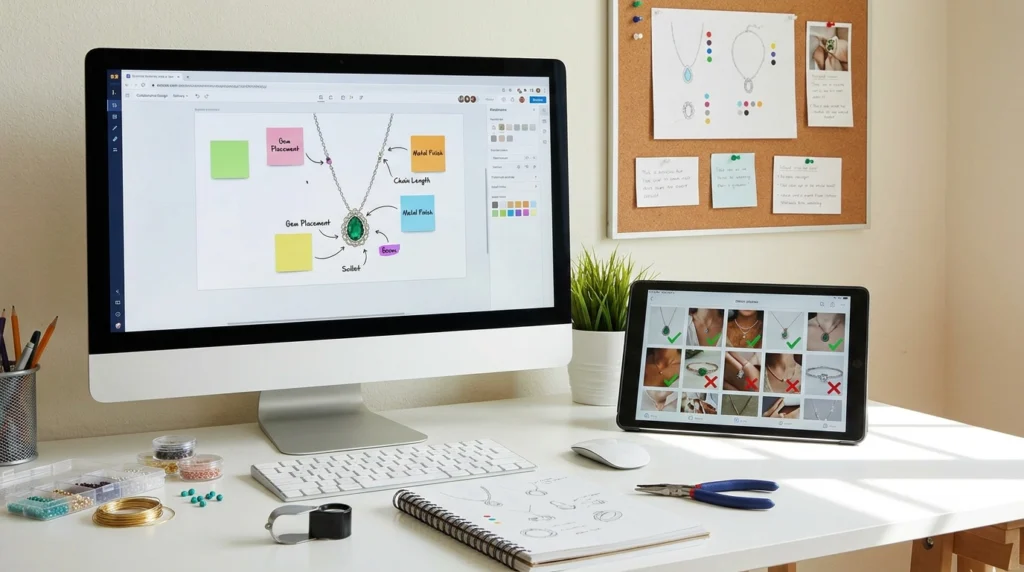
When describing a desired change, a quick annotated screenshot or reference image communicates far more precisely than a text description alone — especially valuable in a remote-only working relationship.
Frequently Asked Questions
- Does time zone difference significantly slow down remote jewelry design projects?
It can add some delay to back-and-forth communication, but doesn’t typically affect the core project timeline if response windows are clearly agreed upon upfront.
- What’s the best way to give feedback on a render remotely?
Annotated screenshots or markup directly on the image, combined with clear written notes, tend to be the most effective and least ambiguous approach.
- Should remote collaboration include regular video calls, or is written communication sufficient?
Both have their place — an initial call to align on vision is valuable, while ongoing revisions are often handled efficiently through written feedback and shared files.