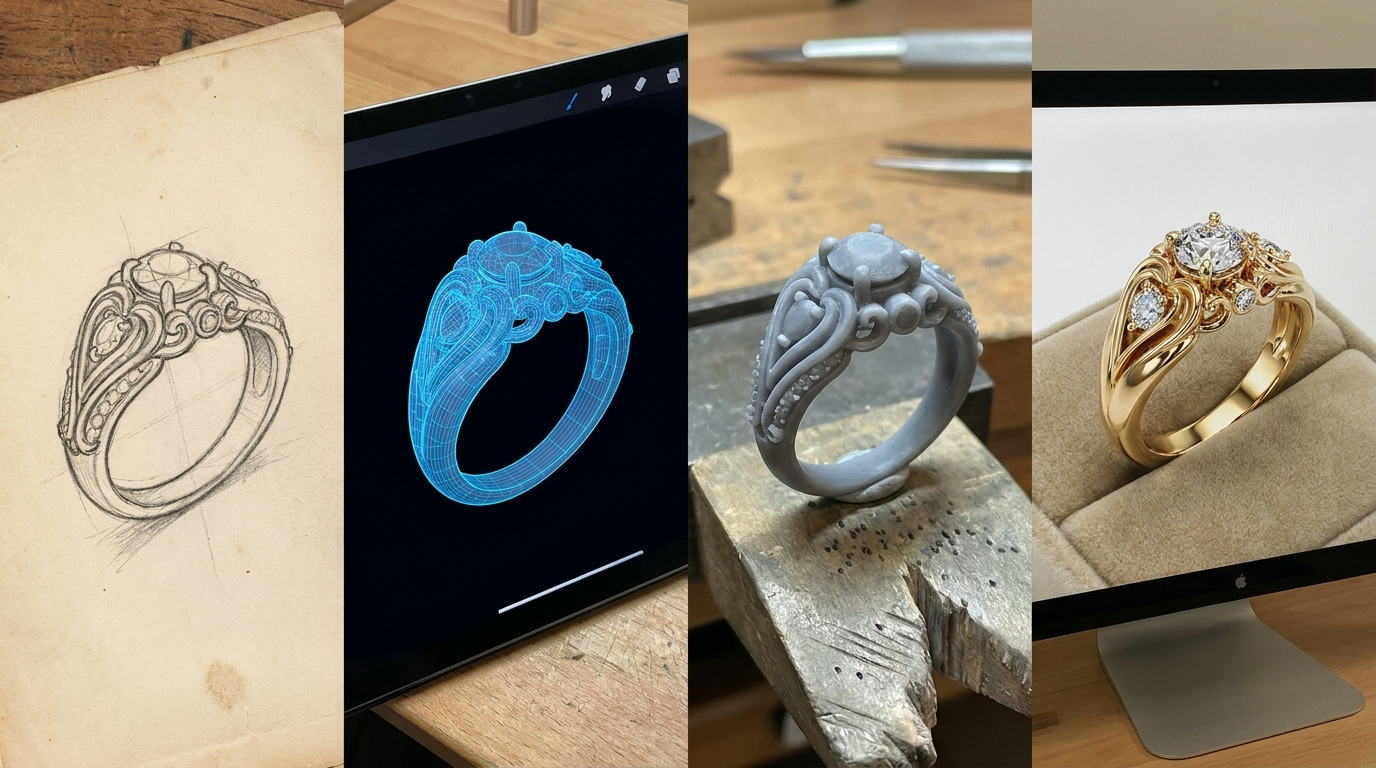
The custom jewelry design process moves through four clear stages — concept, digital modeling, client review, and final delivery — turning a rough idea into a manufacturing-ready file. Understanding this process helps clients know what to expect and how to prepare for a smooth project.
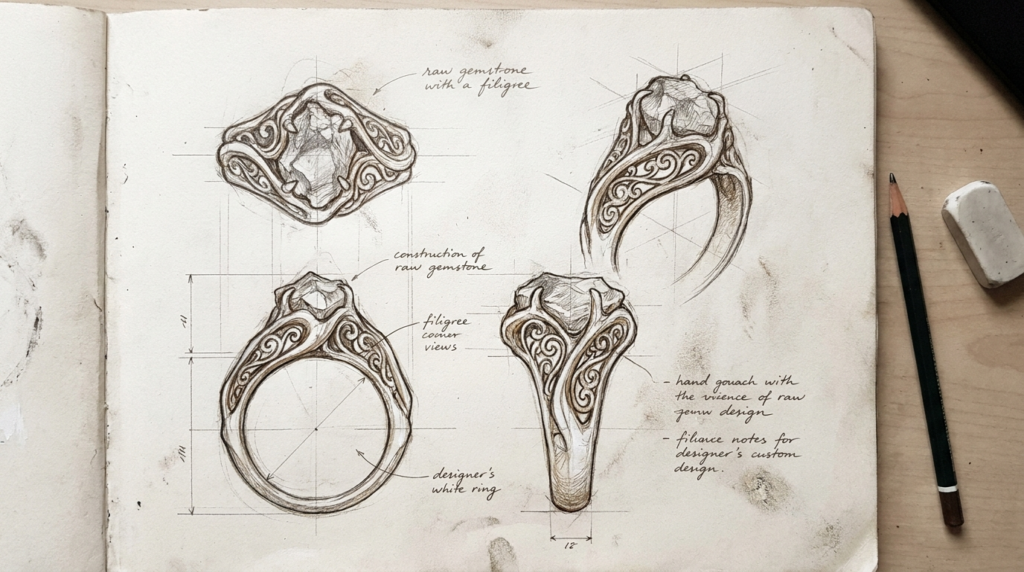
Stage 1: Concept Gathering
Every custom project starts with understanding the vision — reference images, a rough sketch, gemstone preferences, or even a story behind the piece (an heirloom stone being reset, an engagement ring with personal meaning). The more context shared here, the more accurately the first draft reflects the client’s intent.
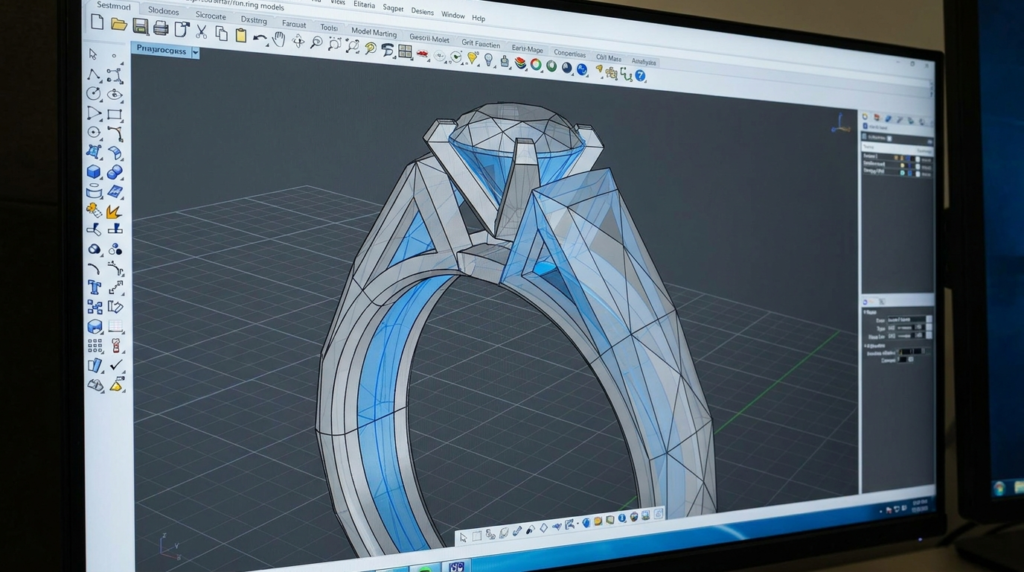
Stage 2: Digital 3D Modeling
The concept is translated into a precise CAD file — exact measurements, proportions, and stone settings are built to specification. This is where abstract ideas become concrete, exact geometry.
Stage 3: Client Review and Refinement
The client reviews a rendered preview and requests adjustments — this is often the most collaborative stage, where small details (a slightly wider band, a different prong style) get refined until the design feels right.
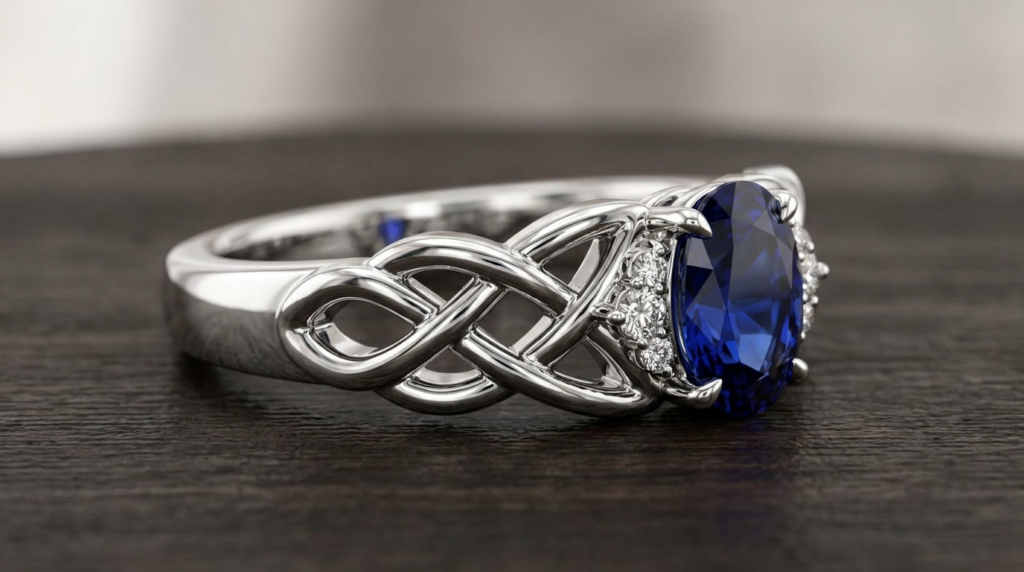
Stage 4: Final Delivery
Once approved, the file is finalized and delivered — either as manufacturing-ready STL files for casting/printing, or as final photorealistic renders if the piece is intended for marketing before production.
What Makes Custom Design Different From Standard Catalog Work
Unlike modeling from an existing reference, true custom design often starts with an idea rather than a finished image — requiring more back-and-forth in the early concept stage to translate a feeling or story into concrete design choices.
Frequently Asked Questions
- Do I need a sketch to start a custom design project?
No — reference images, verbal descriptions, or even inspiration from existing pieces can all serve as a starting point.
- Can sentimental elements like a family stone be incorporated into a custom design?
Yes, this is common — the designer will typically ask for the stone’s exact measurements to build the setting around it accurately.
- How much input do clients typically have during the design stage?
Significant input is standard — most studios include multiple review rounds specifically for this collaborative refinement.